Democracy
Democracy is under attack globally. Anti-democratic movements and illiberal forces are gaining ground domestically, trust in public institutions is falling and societies are growing more polarized. At the same time, authoritarian powers are reaching beyond national borders to interfere in foreign politics, fueling anti-liberal narratives and weakening democratic norms worldwide. Simultaneously, civil society, protest movements and other pro-democracy forces are organizing and adapting, not only to counter democratic backsliding but to make democracy more responsive, resilient and future-proof. At GPPi, we work to understand these threats to democracy and how to overcome them. We facilitate exchanges between policymakers, practitioners and civil society, and advise on how key players can build democratic resilience.

The Story of Global Governance
Global governance is increasingly a battle over narratives as much as over rules and resources – and the EU has a significant stake getting it right. But in today’s contested world, the EU’s story is increasingly fragmented. What could a more durable foundation for EU storytelling look like?

Silence Is Not Neutral
The African continent has emerged as a global epicenter of urban protest movements, a trend which presents a strategic dilemma for international actors. How can international actors best support democratic mobilization?
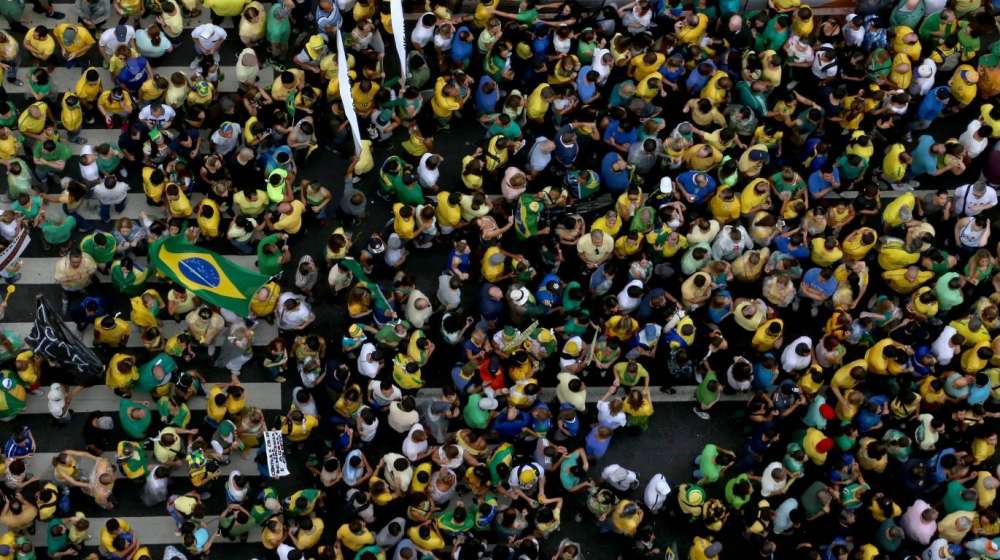
How Democracy Promoters Can Respond to Populist Protests
When populist protest movements gain traction, external democracy backers usually look to contain the groups organizing the protests. But the Brazilian experience suggests that there are other approaches worth considering.

Supporting Civil Society in Acute Crises
Support to civil society is a main tool policymakers use to prevent confilict. How can donors do it better?
Academic Freedom Index
The second iteration of the Academic Freedom Index is now available online. The dataset includes more than 140,000 observation points, several indicators, and an aggregate index on academic freedom. It is the result of a collaboration between experts at GPPi, FAU Erlangen-Nürnberg, the Scholars at Risk Network, and the V‑Dem Institute.
Read our report on the Academic Freedom Index 2020 and learn more about the project.
Select Projects

Protest Movements and Civil Society
The number of protests have grown over the last decade – across the political spectrum. How should international actors address these protest movements? What could a more nuanced discussion on civil society support look like?
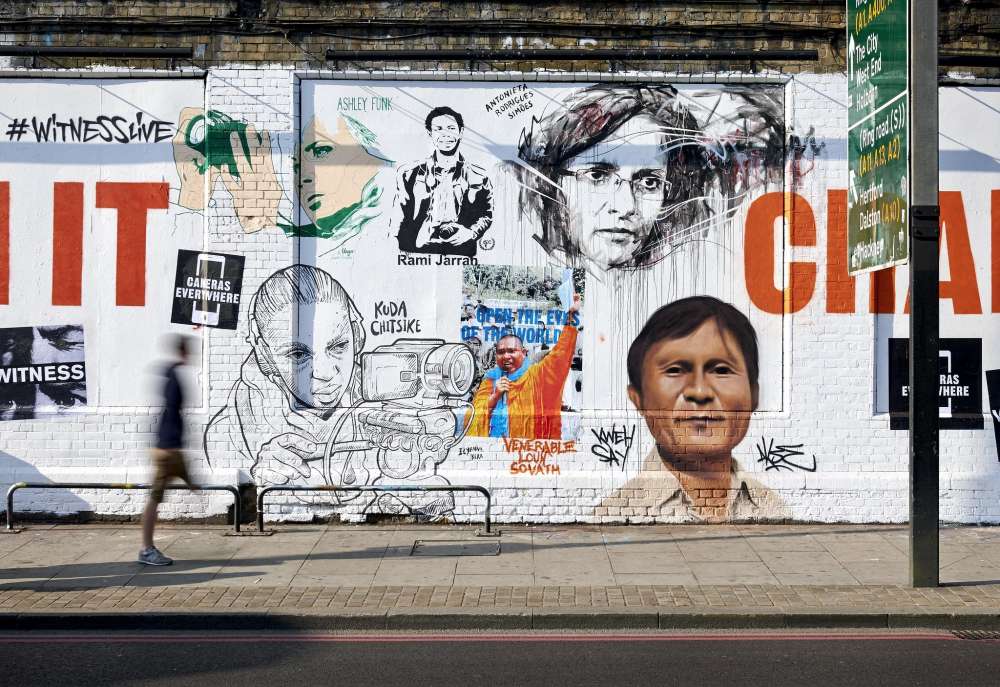
UN Action on Reprisals: Towards Greater Impact
Human rights defenders and victims who engage with the UN often face reprisals for doing so. How well does the UN track such cases? And what becomes of them after the UN raises the incidents?

Young Progressive Voices from the MENA Region Advocate for Security Through Regional Cooperation
Tackling security threats in the MENA region requires a holistic approach to regional cooperation. We selected a distinguished group of progressive young professionals from across the Middle East and North Africa to develop policy ideas to address regional crises.

Authoritarian Learning During Crises: Egypt and Morocco during the Arab Uprisings
The so-called Arab Spring saw waves of pro-democracy demonstrations across the MENA region in the early 2010s. How did the sequence and regime elite perceptions of protests condition authoritarian learning? And how did it affect regimes’ ability to suppress dissent?
Experts
Thorsten Benner
Julian Lehmann
Ilyas Saliba
Katrin Kinzelbach
Melissa Li
Janika Spannagel
Funding & Contact
For longer-term research projects, we benefited from funding by the Volkswagen Foundation and the German Academic Scholarship Foundation. Other funders and clients include the Stiftung Mercator, Fritz Thyssen Foundation, the Open Society Foundations, and the German Federal Ministry for Economic Cooperation and Development.
For inquiries, please contact Thorsten Benner.
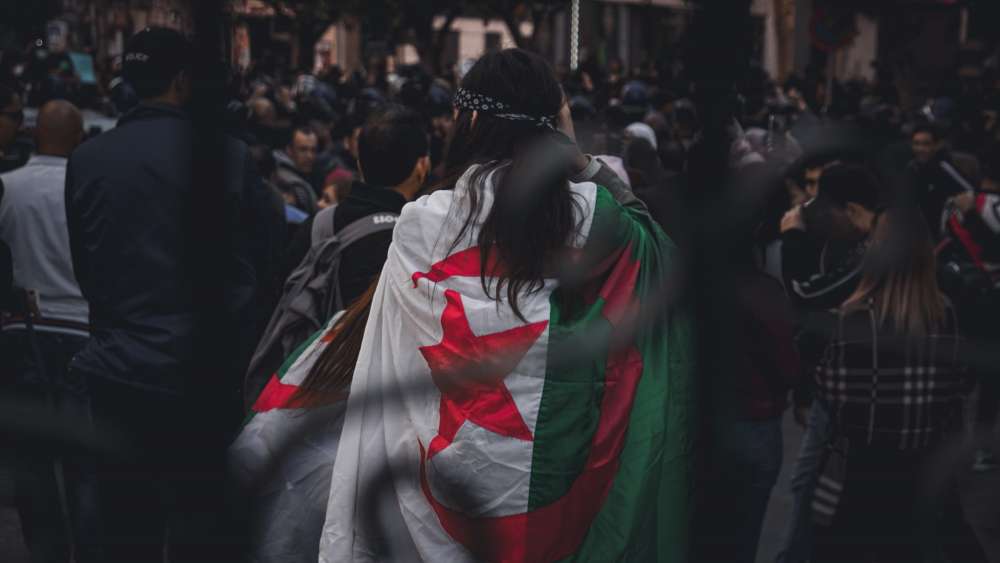
Shrinking Spaces in the Middle East and North Africa: Supporting Civil Society Resilience