Human Rights & Democracy
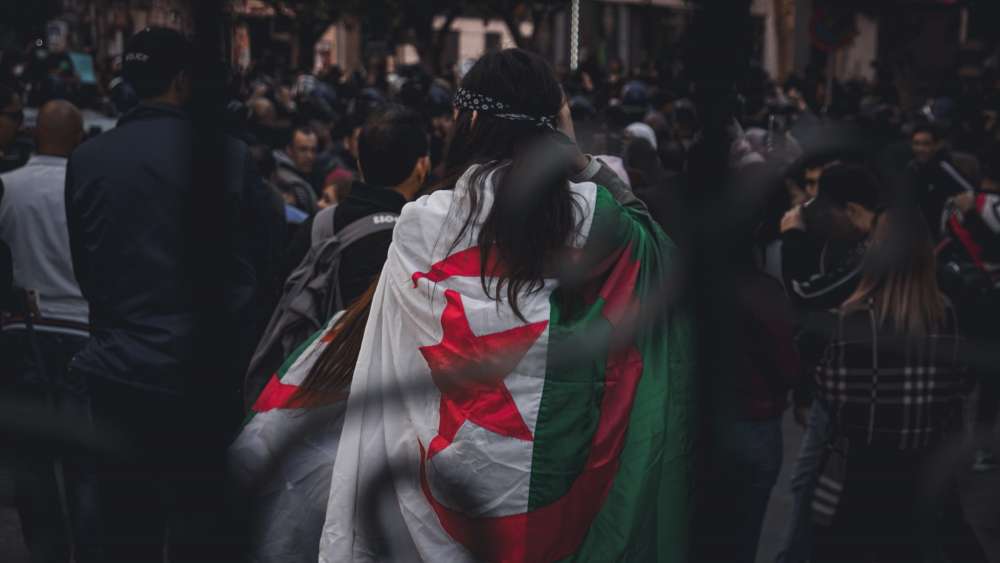
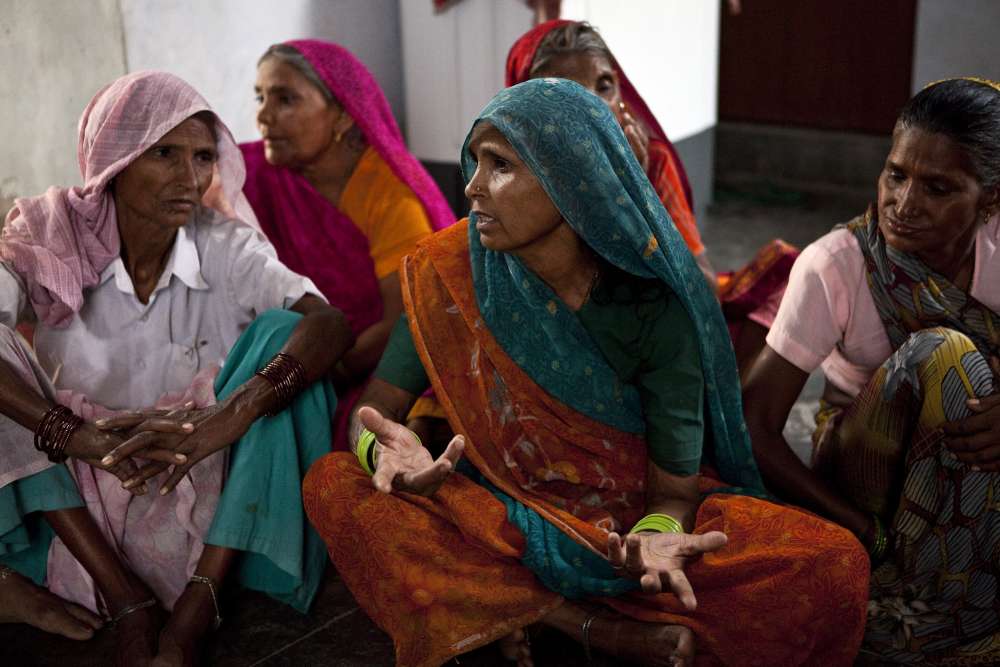
An array of international treaties and institutions exists to protect human rights. Yet, for millions around the world, they remain a faint promise. Without democracy, human rights can never be fully realized. But democracies, too, are not immune to dismantling human rights achievements. Today, illiberal politicians as well as increasingly self-assertive authoritarian powers attack both democracy and human rights. They experiment with new forms of repression – online and offline. Authoritarian influence can be traced across borders. At GPPi, we seek to understand and help counter threats to democracy, political participation, physical integrity, and academic freedom.
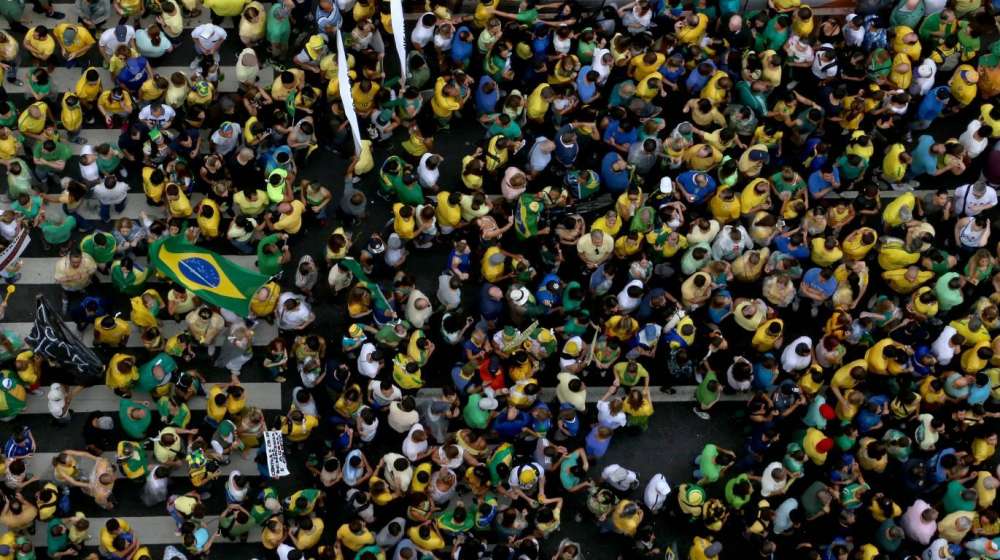
How Democracy Promoters Can Respond to Populist Protests
When populist protest movements gain traction, external democracy backers usually look to contain the groups organizing the protests. But the Brazilian experience suggests that there are other approaches worth considering.

Researching Academic Freedom
How can researchers better understand academic freedom worldwide? This book offers research guidelines and in-depth case studies on the situation in Brazil, Ireland, Russia, and Egypt.

Risky Business: Rethinking Research Cooperation and Exchange with Non-Democracies
The assumption that research cooperation and dialogue with non-democracies will induce democratic change has not stood the test of time. Organizations in liberal democracies need to rethink how they engage and cooperate with their counterparts in authoritarian contexts.

Free Universities: Putting the Academic Freedom Index Into Action
The second iteration of the Academic Freedom Index compares the state of academic freedom worldwide. Here is how policymakers, universities and others can put it to use.
Academic Freedom Index
The second iteration of the Academic Freedom Index is now available online. The dataset includes more than 140,000 observation points, several indicators, and an aggregate index on academic freedom. It is the result of a collaboration between experts at GPPi, FAU Erlangen-Nürnberg, the Scholars at Risk Network, and the V‑Dem Institute.
Read our report on the Academic Freedom Index 2020 and learn more about the project.
Select Projects
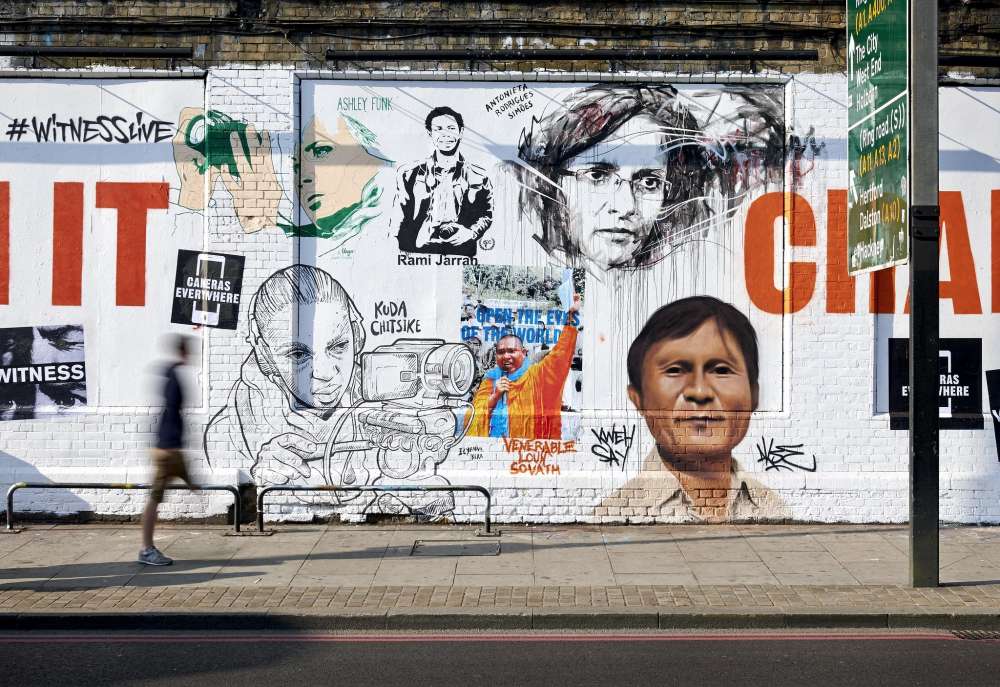
UN Action on Reprisals: Towards Greater Impact
Human rights defenders and victims who engage with the UN often face reprisals for doing so. How well does the UN track such cases? And what becomes of them after the UN raises the incidents?
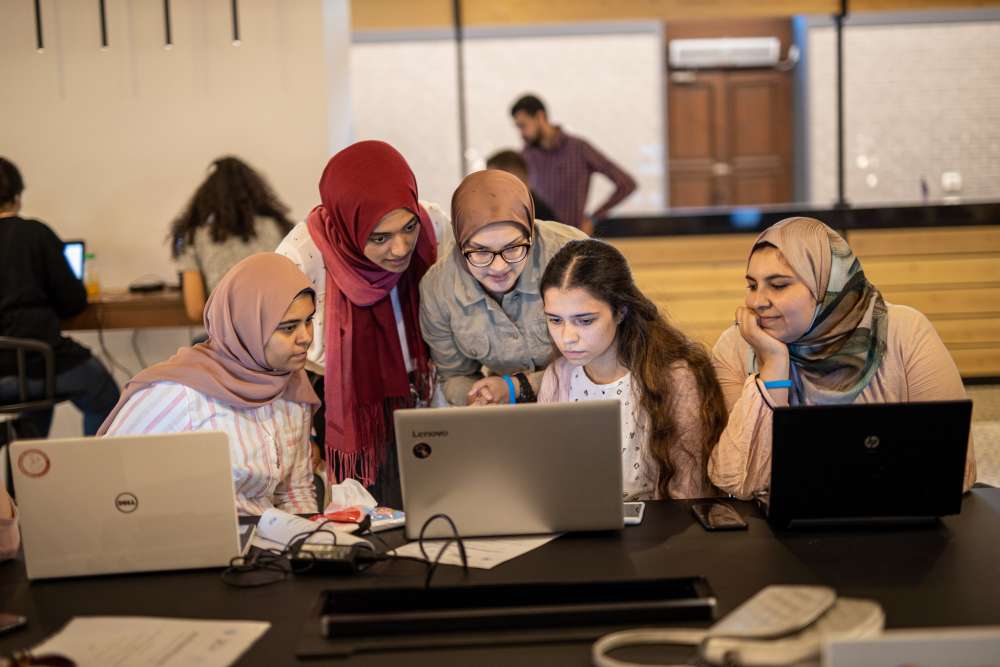
Young Progressive Voices from the MENA Region Advocate for Security Through Regional Cooperation
Tackling security threats in the MENA region requires a holistic approach to regional cooperation. We selected a distinguished group of progressive young professionals from across the Middle East and North Africa to develop policy ideas to address regional crises.
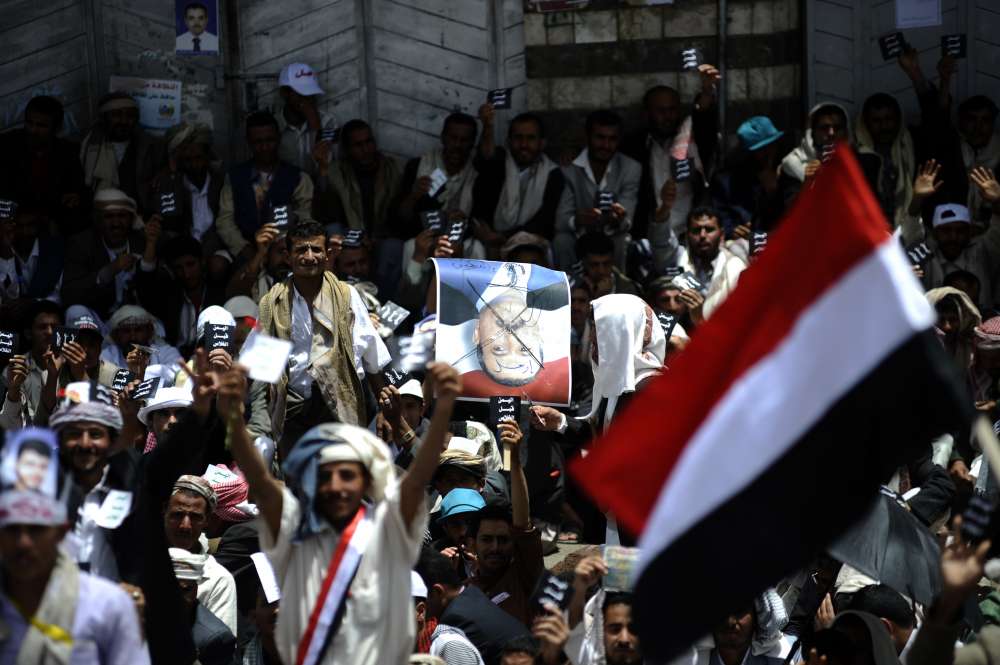
Authoritarian Learning During Crises: Egypt and Morocco during the Arab Uprisings
The so-called Arab Spring saw waves of pro-democracy demonstrations across the MENA region in the early 2010s. How did the sequence and regime elite perceptions of protests condition authoritarian learning? And how did it affect regimes’ ability to suppress dissent?
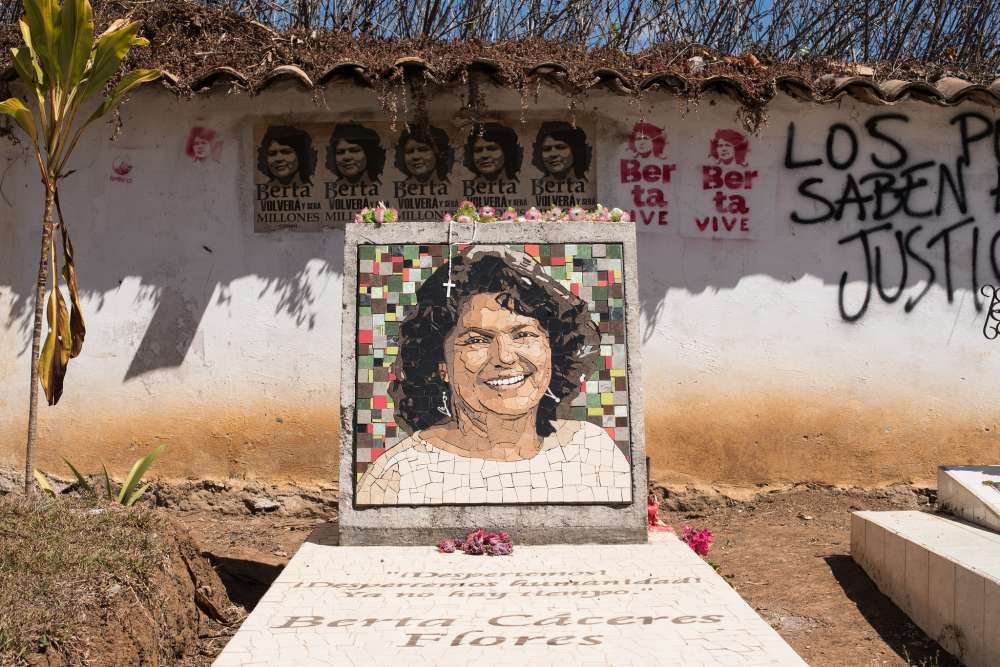
Can International Attention Protect and Enable Human Rights Defenders?
In international human rights advocacy, a new theory of change suggests that human rights progress can be achieved by protecting human rights defenders and their work. How does this theory hold up in practice?
Experts
Funding & Contact
For longer-term research projects, we benefited from funding by the Volkswagen Foundation and the German Academic Scholarship Foundation. Other funders and clients include the Stiftung Mercator, Fritz Thyssen Foundation, the Open Society Foundations, and the German Federal Ministry for Economic Cooperation and Development.
For inquiries, please contact Thorsten Benner.