Peace & Security
How and why do leaders systematically use violence for political ends? How to better anticipate, prevent and stop organized violence, and help rebuild order and peace? We work closely with practitioners in governments, international organizations and civil society, in Germany and beyond. We promote important debates and facilitate learning to improve policymaking and, ultimately, help save lives.
Never Say Never: Learning Lessons from Afghanistan Reviews
Looking at the most substantive reviews conducted to date on the international intervention in Afghanistan, are there signs that different actors have jointly learned from it?
Close the Gap: How to Leverage Local Analysis for Stabilization and Peacebuilding
Without a granular understanding of the political dynamics at work in places where violence occurs, even the best-intentioned stabilization efforts may go wrong. Local analysis can help, but using it requires sustained investment.
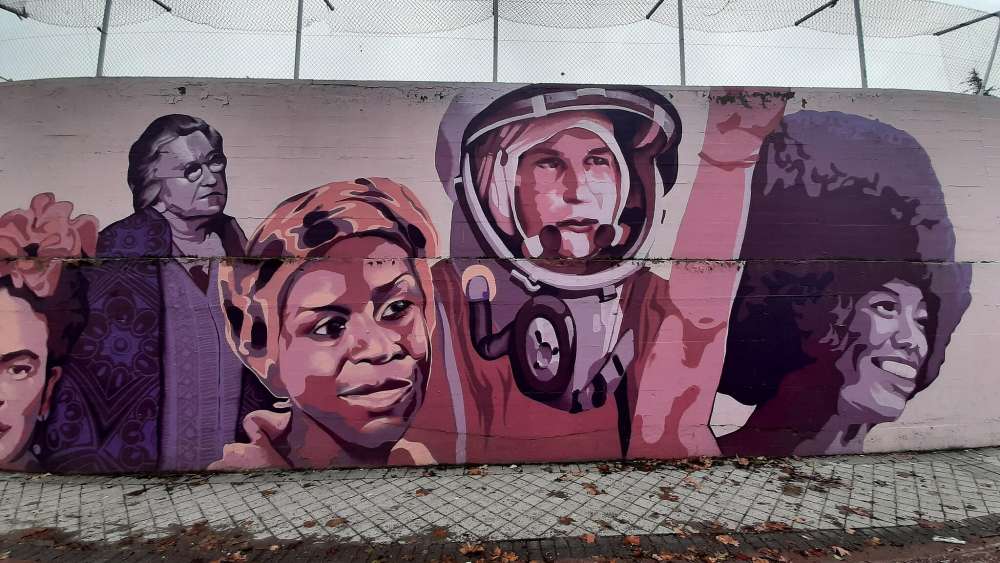
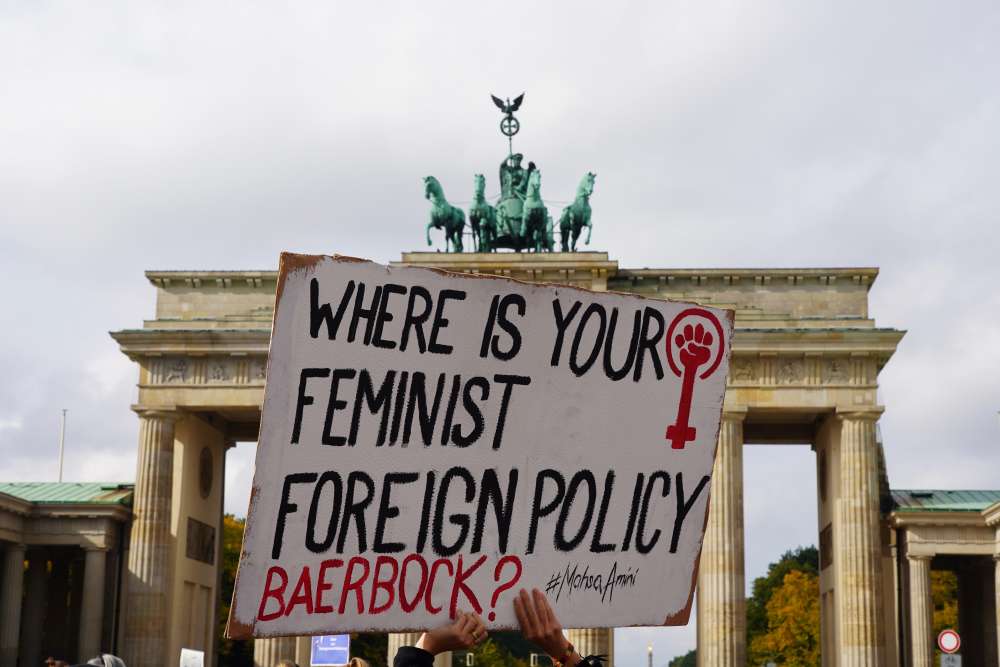
Building Peace, the Feminist Foreign Policy Way: Good Practices
How can a feminist foreign policy translate into a more feminist way of peacebuilding? An overview of good practices and real-world examples that implement principles of an ambitious feminist foreign policy in practice.
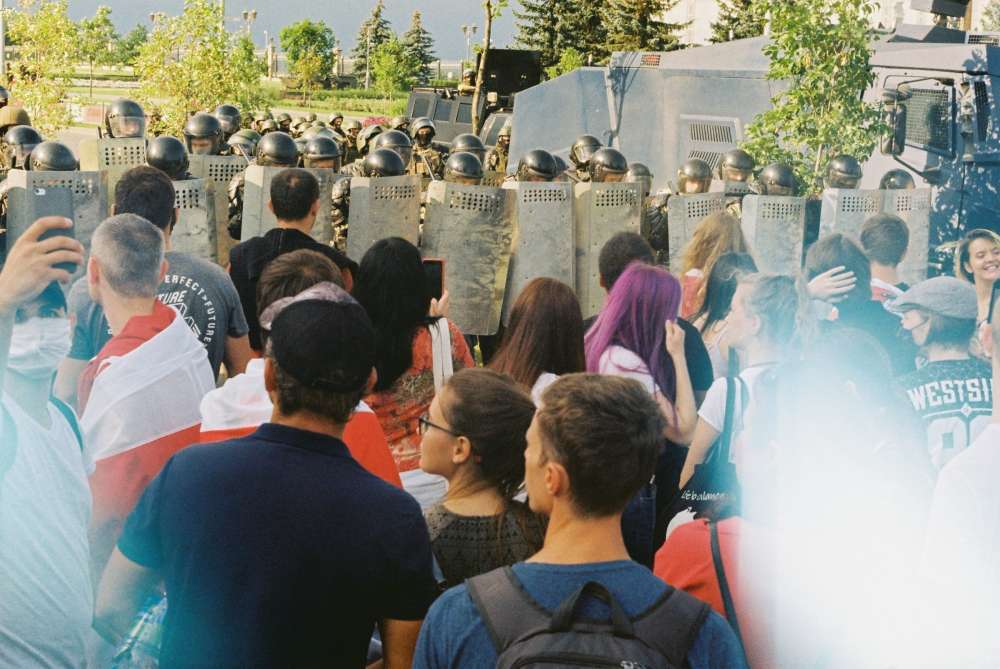
Supporting Civil Society in Acute Crises
Support to civil society is a main tool policymakers use to prevent confilict. How can donors do it better?
Understanding the Syrian Chemical Weapons Complex
Based on the most comprehensive dataset of chemical attacks in Syria compiled to date, we have developed an interactive map and analysis that show the scale and pervasiveness of the use of chemical weapons in the Syrian conflict. The site allows users to explore more than 340 confirmed incidents, details our methodology, and offers access to the full dataset for further research and reporting.
Learn more about the project and visit the website.
Select Projects

Stabilization Lab
Preventing crises, resolving conflicts and building peace are noble endeavors – but they are also fraught with challenges and dilemmas. In this project, we look at different dimensions of stabilization to better understand these dilemmas and suggest targeted ways of addressing them.

Strategic Foresight and Anticipatory Action
Governments and organizations are increasingly adopting foresight methods to anticipate and mitigate crises. Which methods help prevent crises? And how can they be used to develop methodological innovations to avert crises in Europe and beyond?
PrEval: Improving Violent Extremism Prevention Through Evaluation
Together with the PrEval consortium, we are developing evaluation designs to assess Germany’s needs and capacities in preventing violent extremism.
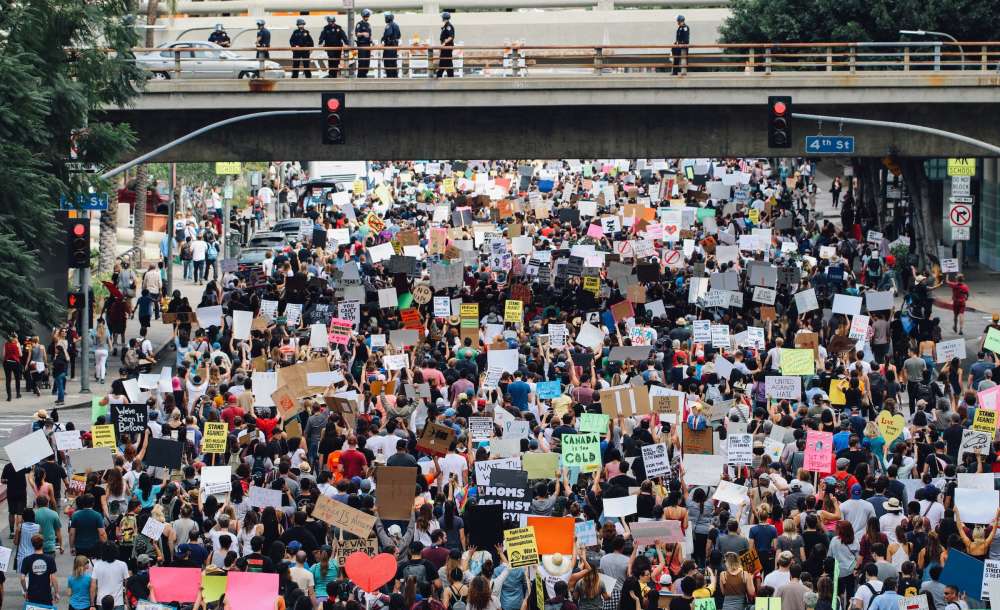
Protest Movements and Civil Society
The number of protests have grown over the last decade – across the political spectrum. How should international actors address these protest movements? What could a more nuanced discussion on civil society support look like?
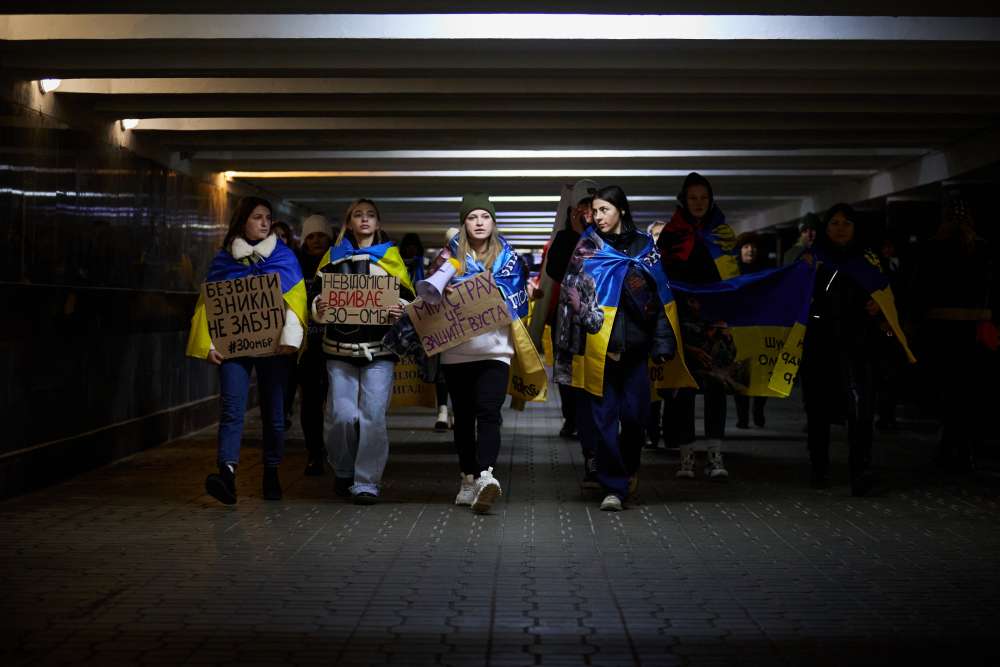
Feminist Perspectives for Supporting Ukraine
Russia’s ongoing aggression against Ukraine has major consequences for Ukrainian society in all aspects of life – but, as so often happens, distinct parts of society are experiencing the fall-out in different ways. These differences become particularly visible when looking at the gendered consequences of the war. While these dynamics are profound, they are not always fully understood. With this project, we hope to change that.
Experts
Henry Baker
Thorsten Benner
Sophie Ebbecke
Julia Friedrich
Jakob Hensing
Melissa Li
Tobias Schneider
Niklas Balbon
Sarah Bressan
Gelila Enbaye
Fennet Habte
Lea Korb
Philipp Rotmann
Abi Watson
Funding & Contact
Our current work on global peace and security is generously supported by the German Federal Foreign Office, the German Federal Ministry for the Interior, IABG, GIZ as well as the Friedrich Ebert and Heinrich Böll Foundations. For previous projects, we also received grants and tenders from the German Foundation for Peace Research, Global Affairs Canada, the Fritz Thyssen Foundation, the European Commission’s Horizon2020 research funding scheme, the Robert Bosch Foundation, the Netherlands Organization for Scientific Research (NWO), the Konrad Adenauer Foundation, the Volkswagen Foundation in cooperation with Compagnia di San Paolo and Riksbankens Jubileumsfond, the Jeyroudi Foundation, the UN Secretariat’s Department for Peacekeeping Operations, as well as Humanity United.
For more information, please contact Philipp Rotmann.
Militias or Partners? Local, Hybrid and Sub-State Forces in Afghanistan and Iraq
Community or regional forces, militias, and other forms of sub-state or local security actors have long existed in Afghanistan and Iraq, and continue to proliferate. Recently, local, hybrid and sub-state forces have often proved to be a critical stopgap against anti-government forces in both countries. But how do these security gains balance against other potential side effects for governance, rule of law, or civilian protection? How do repeated cycles of militarizing local spaces affect local community dynamics and prospects for a sustainable peace?
Recent Publications